Beschäftigte
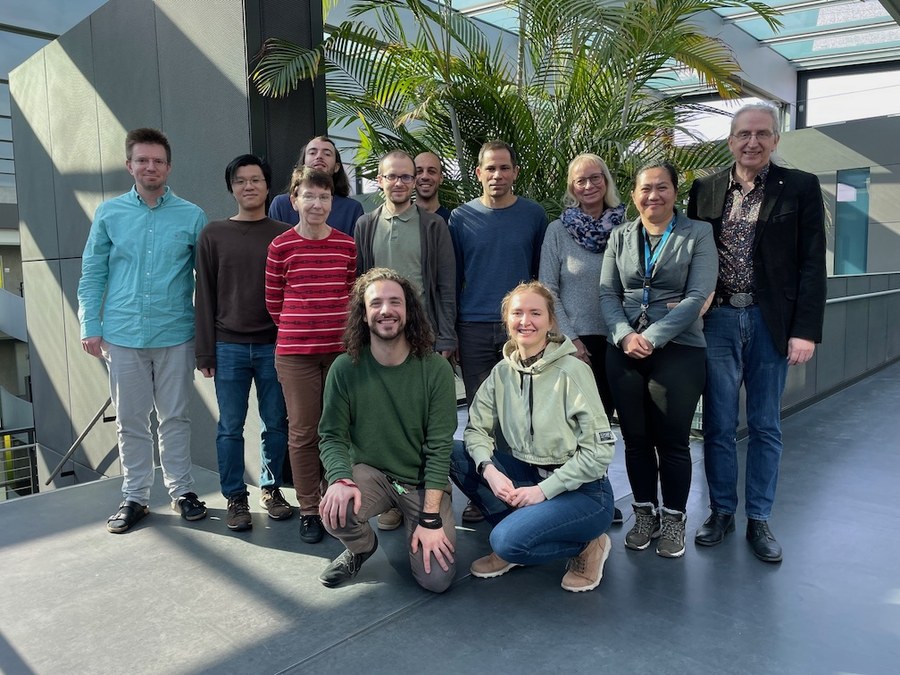
Lehrstuhl für Automatentheorie, Gruppenfoto 2024
Personen von links nach rechts: Francesco Kriegel, (Satyadharma Tirtarasa), Petra Humann, Anton Claußnitzer, Filippo de Bortoli, Stefan Borgwardt, Christian Alrabbaa, Oliver Fernández Gil, Alisa Kovtunova, Kerstin Achtruth, Ida Sri Rejeki Siahaan, Franz Baader
Professor
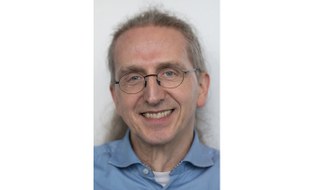 © Franz Baader
Professor
NameHerr Prof. Dr.-Ing. Franz Baader
Eine verschlüsselte E-Mail über das SecureMail-Portal versenden (nur für TUD-externe Personen).
Besuchsadresse:
Andreas-Pfitzmann-Bau, Raum 3021 Nöthnitzer Straße 46
01187 Dresden
Sekretärin
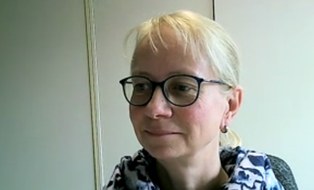 © Kerstin Achtruth
Sekretärin
NameFrau Kerstin Achtruth
Eine verschlüsselte E-Mail über das SecureMail-Portal versenden (nur für TUD-externe Personen).
Besuchsadresse:
Andreas-Pfitzmann-Bau, Raum 3020 Nöthnitzer Straße 46
01187 Dresden
Wissenschaftliche Mitarbeiter
Wissenschaftlicher Mitarbeiter
NameHerr Christian Alrabbaa M.Sc.
Eine verschlüsselte E-Mail über das SecureMail-Portal versenden (nur für TUD-externe Personen).
Besuchsadresse:
Andreas-Pfitzmann-Bau, Raum 3024 Nöthnitzer Straße 46
01187 Dresden
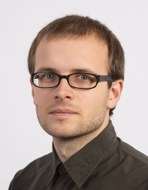 © Stefan Borgwardt
Wissenschaftlicher Mitarbeiter
NameHerr Dr.-Ing. Stefan Borgwardt
Eine verschlüsselte E-Mail über das SecureMail-Portal versenden (nur für TUD-externe Personen).
Besuchsadresse:
Andreas-Pfitzmann-Bau, Raum 3023 Nöthnitzer Straße 46
01187 Dresden
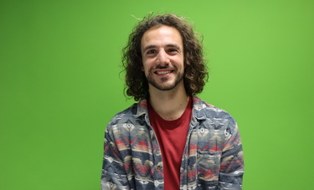
Wissenschaftlicher Mitarbeiter
NameHerr Filippo De Bortoli M.Sc.
Eine verschlüsselte E-Mail über das SecureMail-Portal versenden (nur für TUD-externe Personen).
Besuchsadresse:
Andreas-Pfitzmann-Bau, Raum 3030 Nöthnitzer Straße 46
01187 Dresden
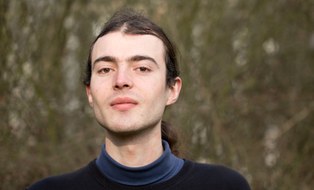 © Uta Caroline Thom
Wissenschaftlicher Mitarbeiter
NameHerr Dr. rer. nat. Anton Claußnitzer
Eine verschlüsselte E-Mail über das SecureMail-Portal versenden (nur für TUD-externe Personen).
Besuchsadresse:
Andreas-Pfitzmann-Bau, Raum 3029 Nöthnitzer Straße 46
01187 Dresden
Wissenschaftlicher Mitarbeiter
NameHerr Oliver Fernández Gil Ph.D.
Eine verschlüsselte E-Mail über das SecureMail-Portal versenden (nur für TUD-externe Personen).
Besuchsadresse:
Andreas-Pfitzmann-Bau, Raum 3029 Nöthnitzer Straße 46
01187 Dresden
Wissenschaftliche Mitarbeiterin
NameFrau Alisa Kovtunova Ph.D.
Eine verschlüsselte E-Mail über das SecureMail-Portal versenden (nur für TUD-externe Personen).
Besuchsadresse:
Andreas-Pfitzmann-Bau, Raum 3024 Nöthnitzer Straße 46
01187 Dresden
Wissenschaftlicher Mitarbeiter
NameHerr Dr.-Ing. Dipl.-Math. Francesco Kriegel
Eine verschlüsselte E-Mail über das SecureMail-Portal versenden (nur für TUD-externe Personen).
Besuchsadresse:
Andreas-Pfitzmann-Bau, Raum 3022 Nöthnitzer Straße 46
01187 Dresden
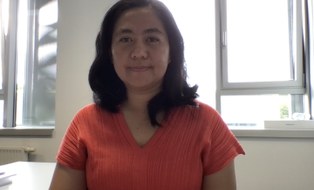 © Ida Sri Rejeki Siahaan
Wissenschaftliche Mitarbeiterin
NameFrau Ida Sri Rejeki Siahaan Ph.D.
Eine verschlüsselte E-Mail über das SecureMail-Portal versenden (nur für TUD-externe Personen).
Besuchsadresse:
Andreas-Pfitzmann-Bau, Raum 3030 Nöthnitzer Straße 46
01187 Dresden
Systemadministratorin
Systemadministratorin
NameFrau Dipl.-Ing. Petra Humann
Eine verschlüsselte E-Mail über das SecureMail-Portal versenden (nur für TUD-externe Personen).
Besuchsadresse:
Andreas-Pfitzmann-Bau, Raum 3018 Nöthnitzer Straße 46
01187 Dresden
Wissenschaftliche Hilfskräfte
Wissenschaftliche Hilfskraft
NameHerr Tom Friese B.Sc.
Eine verschlüsselte E-Mail über das SecureMail-Portal versenden (nur für TUD-externe Personen).
Studentische Hilfskräfte
momentan keine
Gäste
momentan keine
Ehemalige Wissenschaftliche Mitarbeiter
- Dr. Stephan Böhme
- Dr. Daniel Borchmann
- Dr. Camille Bourgaux
- Dr.-Ing. Sebastian Philipp Brandt
- Dr. Claudia Carapelle
- Dr. İsmail İlkan Ceylan
- Dr. Felix Distel
- Dr.-Ing. Andreas Ecke
- Eldora
- Dr.-Ing. Walter Forkel
- Dr. Mitch Harris
- Willi Hieke
- Dr.-Ing. Thomas Hinze
- Prof. Dr. Jan Hladik
- Dr.-Ing. Martin Knechtel
- Dr. Patrick Koopmann
- Dr. Marcel Lippmann
- Dr.-Ing. Hongkai Liu
- Dr. Michel Ludwig
- Prof. Dr. Carsten Lutz
- Dr. Yue Ma
- Dr. Theofilos Mailis
- Dr.-Ing. Pavlos Marantidis
- Julian Mendez
- Dr. Maja Miličić
- Dr. Barbara Morawska
- Dr.-Ing. Adrian Nuradiansyah
- Dr. Rafael Peñaloza Nyssen
- Dr.-Ing. Maximilian Pensel
- Dr.-Ing. Jakub Rydval
- Prof. Dr. Ulrike Sattler
- Prof. Dr.-Ing. Barış Sertkaya
- Dr.-Ing. Monika Sturm
- Dr.-Ing. Boontawee [Meng] Suntisrivaraporn
- Dr. Lidia Tendera
- Dr.-Ing. Veronika Thost
- Dr.-Ing. Satyadharma Tirtarasa
- Prof. Dr.-Ing. Anni-Yasmin Turhan
- Dr. Dirk Walther
- Dr.-Ing. Benjamin Zarrieß
- Erik Zenker
Ehemalige Wissenschaftliche Hilfskräfte
- Friedrich Michel
- Alexej Popovič
Ehemalige Gäste
- Akshay Agrawal
- Apratim Bhattacharyya
- Dr. Marco Cerami
- Dr. Jens Claßen
- Igor de Camargo e Souza Câmara
- Dr. Shasha Feng
- Prof. Dr. Rajeev Goré
- Dr. Natalya Keberle
- Pierre Ludmann
- Francisco Martín-Recuerda
- Dr. Jan Otop
- Maryam Rostamigiv Ph.D.
- Ario Santoso
- Dr. Lidia Tendera
- Clément Théron
- Prof. Dr. David Toman
- Levan Uridia
- Andrei Voronkov
- Dr. Xia Wu
- Chao Xu M.Sc.
- Dr. Ye Yuxin
- Dr. Rui Zhang
- Dr. Tingting Zou